
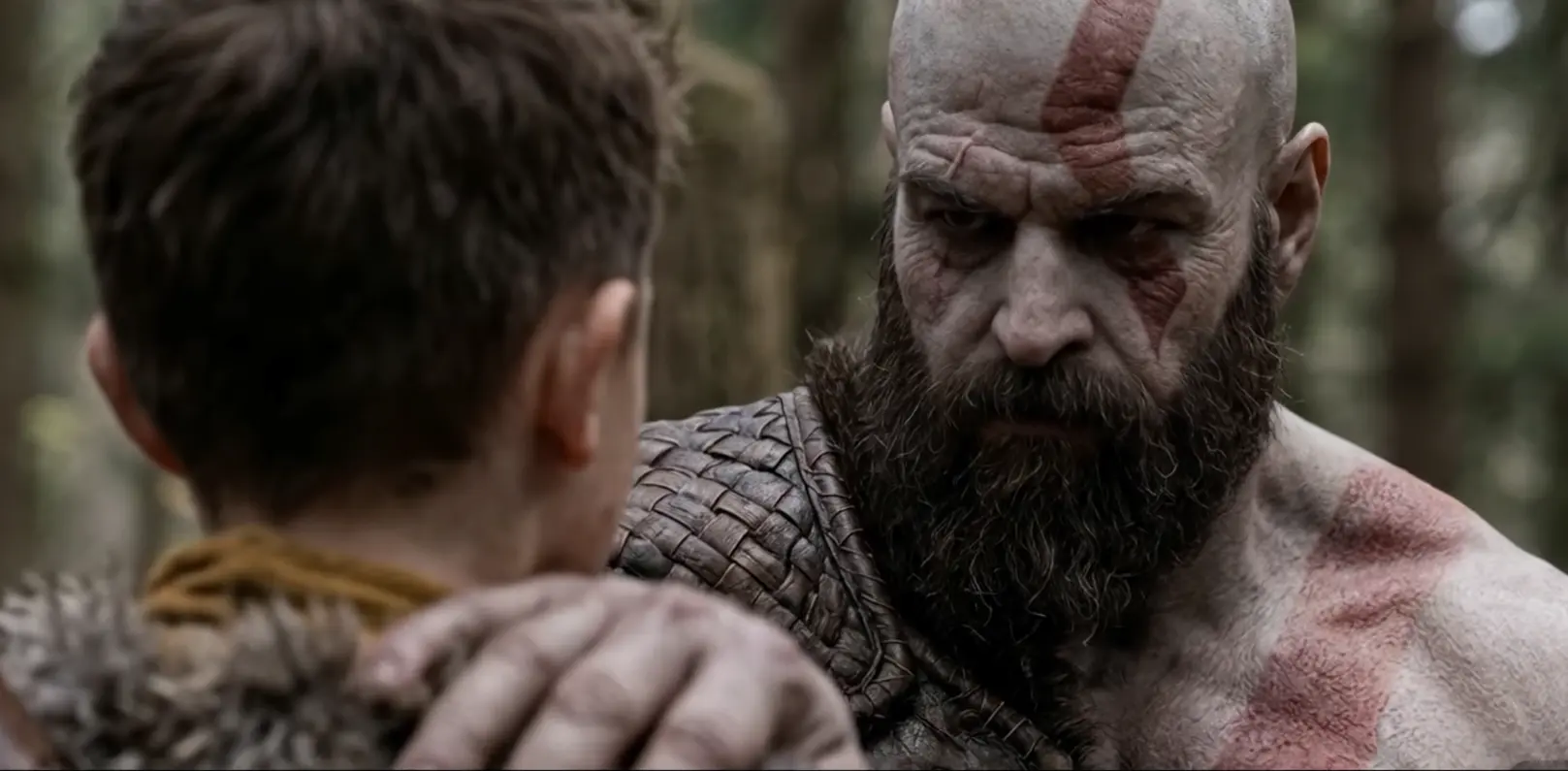
The upcoming live-action adaptation of God of War is turning into one of the most ambitiously attempted video game television projects ever.
Spearheaded for Prime Video and out of the Place-based hit God of War, the show aims to capture that world-bending emotional Norse-based story about Kratos and Atreus in live-action cinematic form.
After production began, focus shifted to the real-life locations where it was filmed, many of which have been carefully selected in a bid to reflect the raw, mythological beauty found throughout the game.
God of War Filming Locations
The live-action adaptation of God of War for Amazon Prime Video is being filmed in and around Vancouver, British Columbia, Canada. Production began in late February and early March 2026 under the working title “Anaheim Realm” as per local reports.
Metro Vancouver, British Columbia
The God of War series is primarily based in Vancouver as a shooting location, which is expected to have production across both urban studio facilities and the surrounding natural landscapes. Metro Vancouver has historically been known as one of North America’s most aggressive production hubs with access to both state-of-the-art infrastructure and a plethora of diverse natural landscapes in close proximity.
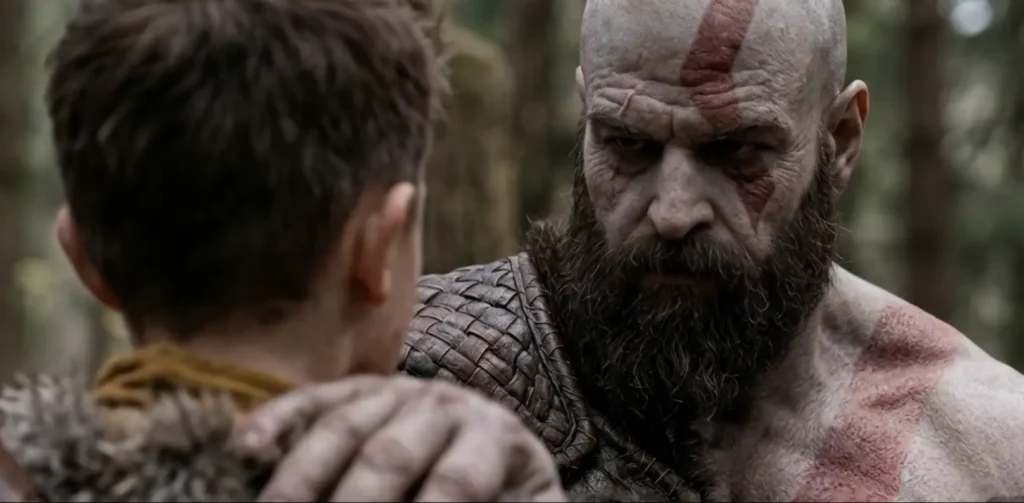
But in the case of God of War, Vancouver is more than just a logistical convenience. The region’s grey, brooding skies, dense evergreen forests and near-mountainous terrain closely mimic the harsh and unforgiving world of Midgard as presented in the 2018 game.
Multiple scenes along the lines of Kratos and Atreus’ travels through wilderness are to be shot in and around this part of the world, particularly ones that play up themes of remoteness, survival, and the father-son bond.
Coastal Mountains, British Columbia
Vancouver is also surrounded by the Coastal Mountains, creating a natural dramatic backdrop that closely matches the frontless of peaks and snow-covered heights found throughout the God of War universe. Featured within these mountains are steep-sided cliffs, alpine woods, and glacial valleys that form a landscape simultaneously feels both mythical and primal.
In the source material, Kratos and Atreus set out to climb the world’s highest peak, opposing hostile beasts (and gods) together. The Coastal Mountains will reportedly act as substitutes for those treacherous paths, especially in scenes that feature extended marches over miles of horizontal terrain, vertical climbs and confrontations in far-flung snow-laden spaces.
The scale of these mountains is naturally bigger than anything the human mind can ascribe, giving filmmakers a chance to portray the sense of smallness and peril that is present in so much of the game’s environmental storytelling.
British Columbia Thick Timber Areas
In addition to its mountainous landscape, British Columbia is home to vast forest systems that will presumably help the series’ visual identity. These areas, primarily arboraceous wilds in large part made up of towering conifers and thick underbrush, look strikingly similar to the wooded domains that make their perpetual appearance throughout Midgard during play.
The first few sequences in God of War set place in a remote forest, where Kratos and Atreus are secluded before starting their adventure. These opening pushes play a big part in setting tone, mood and character relationships. Some of the forest areas are filmed in British Columbia, allowing for reproduction at a high level of authenticity in these types of environments (if there were deserts on camera, you could go with land and natural light), misty forests only requiring minimal human interference to create that dreamlike touch.
Vancouver Film Studios: Interior Sets
God of War is also likely to include a lot of studio work, as its exterior locations play hugely into the feel and realism of the series at large. Vancouver’s facilities, including large sound stages, offer the space and technical capability needed to build massive sets and incorporate sophisticated visual effects.
These studios will likely be designed to house interior environments like Kratos’ cabin, as well as mythological structures and ancient Norse temples. This also enables more fine-tuned control over lighting, camera movement and environmental effects — a necessity for sequences involving superhuman elements, combat behavior, or interaction with mythological characters. Studio work will further aid in depicting realms and locations that cannot easily be reproduced in the real world.
Plot Overview
The series will likely chronicle the events of God of War from 2018 that feature a huge tonal and setting change for the franchise. Shifting focus from classical Greek mythology, the story follows a somewhat older and wiser Kratos in Norse lands. After the death of his wife Faye, Kratos embarks on a quest with his son Atreus to honor her dying wish: to scatter her ashes from the highest peak in all the realms.
This journey serves as the throughline of the story, weaving together mythological conflict and a personal tale of fatherhood, grief and redemption. As Kratos and Atreus save their way through Midgard and beyond, they come across gods, monsters and some shocking revelations about who they are, all of which will presumably take shape in the adaptation.
Cast and Characters
Official casting announcements for lead roles are sparse so far, remaining mostly theoretical in who will play Kratos and Atreus. Considering the physical and emotional demands of the part, Kratos is likely to be portrayed by someone who can project both colossal strength and contained vulnerability. Atreus, by contrast, needs a younger performer with a blend of curiosity, defiance and emotional maturity.
The show will also likely feature prominent characters from Norse mythology, including deities like Odin and Thor and antagonists like Baldur, who serves as a climactic antagonist for Kratos during his story arc. Casting for these roles will be key in establishing the tone of the show and how it is received.
Behind the Scenes
Under Ronald D. Moore, whose previous experience centers on large character-driven blockbusters, the in-development series puts a twist one of the most successful franchises in games history. This would suggest that his adaptation will prioritize narrative depth and character development alongside its visual spectacle.
This production features a seasoned writing and producing crew, several of whom have backgrounds in sf/f storytelling. So it is only fitting that their combined experience should help overcome the transition of a linear television narrative to interactively enabled gameplay; leaving open opportunities for both faithful adaptation and extended franchising.
Technically, the series will feature a significant use of practical effects, location shooting and CGI. This hybrid methodology is vital for recreating mythological creatures, large-scale battles, and otherworldly environments that characterize the God of War universe.
Conclusion
And you know they had to weigh that, shooting most of God of War in Vancouver and the surrounding area, against needing to capture the visual effects more accurately and conveniently. British Columbia’s diverse landscapes form a naturally supportive environment for bringing Midgard to life, and the advanced facilities of studios ensure that more complex and fantastical elements can be created.
As the series moves through production, its success will rest not only on how it translates visually but also how well it hits the emotional heart of whatever story it tells. Should it succeed, God of War would join among the most effective video game adaptations yet, giving not just longtime fans but new ones a captivating journey through one of gaming’s most illustrious realms.

- Holiday Ever After: A Disney World Wish Come True – Everything You Need to Know - April 8, 2026
- The Young and the Restless Spoilers (April 2–10, 2026): Nick’s Drug Nightmare, Victor’s Brutal Revenge & A Shocking Return Changes Everything - April 3, 2026
- The Young and the Restless Recap (March 27): Cane Dumps Lily After Shocking Betrayal, Nikki Plots Against Victor - March 27, 2026