The story promises London and Paris. The sweeping sets suggest 18th-century England and revolutionary France. But Kit Harington’s latest period drama never actually filmed in either city.
This is the secret of A Tale of Two Cities, the BBC/MGM+ adaptation of Charles Dickens’ 1859 classic that premiered on September 6, 2026. While the narrative unfolds across two cities separated by class and history, the camera crew actually setup in Budapest, Hungary.
The decision isn’t a cost-cutting measure. It’s a strategic choice that reveals how modern high-end television productions work. Productions like this choose locations based on a complex mix of authenticity, infrastructure, tax incentives, and crew expertise, not just geography.
This article reveals where Kit Harington actually filmed his scenes. We’ll explore the specific Budapest locations that doubled for 1782 London and revolutionary Paris. We’ll explain why Hungary became the production home for one of 2026’s most anticipated period dramas.
Read on for the complete location breakdown.
The Story is Set in London and Paris but was filmed in Hungary
This is a common misconception in period dramas. The setting and the filming location are rarely the same thing.
A Tale of Two Cities opens in London in 1782. The narrative shifts between England and France as the French Revolution erupts. The story demands authentic-looking 18th-century European streets, crowded markets, and aristocratic estates.
But producer Simon Meyers and director Richard Clark never flew to London or Paris to film this four-part miniseries. Instead, they packed equipment and cast members onto planes headed to Hungary. Production began in October 2025. Filming wrapped in December 2025 after two months of intensive shooting in Budapest.
This approach isn’t unusual. Period dramas often film in locations that aren’t their settings. “Outlander” films in Scotland but its episodes span continents and centuries. “The Crown” shoots primarily in England but depicts events worldwide. Location scouts and production designers have learned that authenticity doesn’t require geographical accuracy. It requires visual convincing-ness.
For A Tale of Two Cities, Budapest offered something London and Paris couldn’t: complete production control, historical architecture that reads as 18th century, and economic advantages that allowed the production to spend money on casting and storytelling instead of London’s inflated location fees.
The result looks and feels like Dickens’ world. The trick is where the cameras actually rolled.
RELATED: Project Hail Mary was shot without Green Screen – And That Makes Its Space Adventure Even Cooler
Budapest, Hungary
Budapest stands as Eastern Europe’s most versatile film production capital.
The city has hosted over 300 major international productions in the past decade. Marvel films shot here. HBO dramas filmed in Budapest’s streets. Netflix series chose Hungarian soundstages. The infrastructure exists because demand from major productions keeps arriving.
For A Tale of Two Cities, Budapest offered something irreplaceable: historical architecture that requires minimal modification to look like 18th-century Europe. The Austro-Hungarian Empire built Budapest as a grand capital. Ornate facades, curved streets, baroque-influenced designs—these architectural choices made Budapest read as European royalty and revolution on camera.
Mid-Atlantic Films serviced the production. This company specializes in coordinating international productions in Hungary. They handle location permits, hiring local crew, arranging soundstages, and managing logistics. For a two-month shoot coordinating 50+ cast and crew members, that expertise matters.
Hungary also offers a 30% national tax rebate on qualified production costs. That’s substantial. Productions save millions by filming here instead of Western Europe. The financial advantage allowed MGM+ and BBC Studios to invest more in casting, cinematography, and production design rather than just location fees.
Kit Harington discussed this in interviews before the premiere. He noted that filming in Budapest felt isolated from major media capitals. That isolation actually helped the ensemble cast bond. They ate meals together. They rehearsed scenes without distractions. The tight production schedule (filming a four-part series in two months) demanded focus, and Budapest’s distance from London and Los Angeles actually facilitated that.
Liberty Square, Budapest
Liberty Square sits in Budapest’s Lipótváros neighborhood, District 5. This is where production filmed its most crucial scenes.
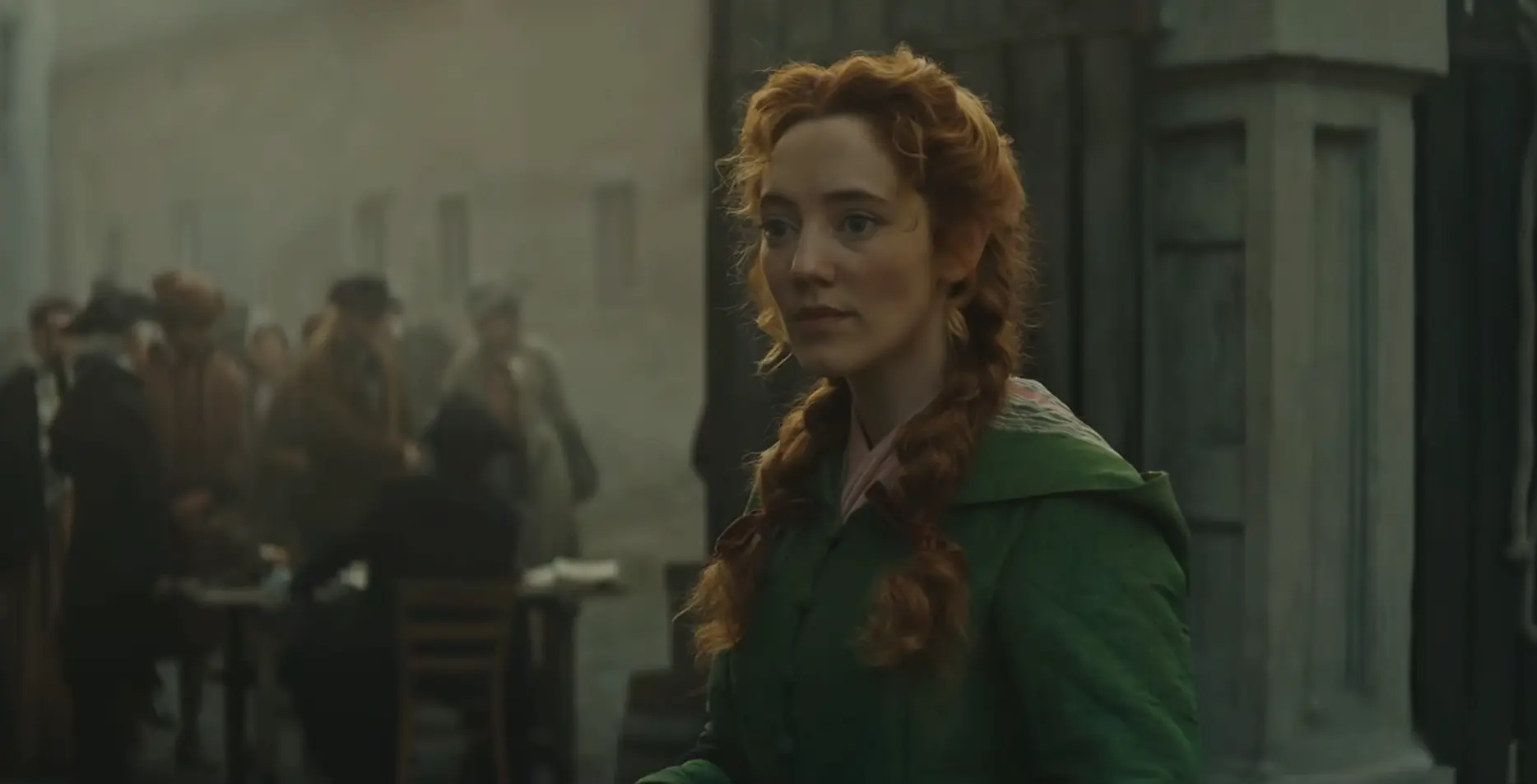
Crew members spotted Kit Harington, François Civil, and Mirren Mack in full costume on Liberty Square multiple times during the two-month shoot. The location provided exactly what the production needed: a square that could convincingly double as pre-revolutionary Paris.
The square itself carries historical weight. The area was bombed in World War II. Post-war reconstruction gave the neighborhood a mix of older architecture and renewed structures. This eclecticism actually serves the show perfectly. Revolutionary Paris wasn’t uniform. Different districts had different architectural styles, building ages, and urban densities.
Production filled Liberty Square with props and set dressing. Barrels appeared on the cobblestones. Cartloads of sacks were positioned to suggest 18th-century commerce and scarcity. Fabric bunting and period-appropriate signage transformed the square into a section of Paris during the Reign of Terror.
The Lipótváros Neighborhood’s Film History: This district has hosted major productions before. It offers a mix of cobblestone streets and rebuilt structures that can read as different historical periods with minimal alteration. The neighborhood also has infrastructure for large-scale filming: accessible parking for trucks, nearby hotels for cast and crew, restaurants, and equipment rental facilities.
Mirren Mack, who plays the central character Lucie Manette, filmed many of her key emotional scenes on these cobblestones. Her character’s journey from France to England to revolutionary upheaval required locations that felt both foreign and intimate. Liberty Square provided both. In wide shots, the square read as an unfamiliar European city. In close-ups, the cobblestones and building facades created psychological claustrophobia that matched Lucie’s emotional state.
RELATED: Where was Surviving the Silence: The Roxane Gay Story filmed?
The Stock Exchange Palace: Banking, Power, and Revolution
The Stock Exchange Palace sits opposite the National Bank of Hungary in Budapest.
This building represents institutional power. In the story, it becomes a visual metaphor for the structures that the French Revolution was attempting to dismantle. The production used the palace and surrounding streets for sequences involving wealth, class conflict, and political intrigue.
Crew members set up extensive props outside the palace. Barrels, sacks, and period-appropriate commerce materials filled the street. The production department transformed the modern Budapest street into an 18th-century European market scene.
The palace’s architecture suited these sequences. Built with neoclassical elements, the structure reads as institutional and official. When filmed against the chaotic street props, the contrast between establishment and revolution becomes visually apparent. Dickens’ novel thrives on this contrast. The miniseries inherited that thematic focus and realized it through location choice.
Budapest’s Historic Buildings as Film Assets: Eastern European cities like Budapest retained more pre-20th-century architecture than many Western European capitals. London was bombed extensively during World War II. Paris was rebuilt and modernized during the late 20th century. Budapest’s Soviet-era restrictions actually preserved older architecture. Modern commercial development happened more slowly than in Western Europe.
For period dramas, this preservation is gold. Historic buildings require less alteration. Permits get approved faster because there’s less risk of damage. Production budgets stretch further because set dressing becomes more important than structural modification.
The Stock Exchange Palace filming demonstrated this. The building’s exterior required minimal changes. The production added props, dressed extras, and adjusted lighting. The core location remained structurally unaltered.
Hungarian Parliament Building and Other Iconic Landmarks
Budapest’s skyline features one of Europe’s most distinctive buildings: the Hungarian Parliament Building.
This gothic revival structure sits on the Danube’s eastern bank. The architecture screams “European power” in ways that read immediately on camera. While it was completed in 1902 (well after the 1789 French Revolution), its scale and design communicate institutional authority that Dickens’ story demands.
The building appears in establishing shots and wide vistas. These moments ground viewers in a European setting. Even though the structure is too modern for the story’s timeline, its visual language—grand, powerful, official—serves the narrative’s themes.
Other Budapest Landmarks in A Tale of Two Cities: The production utilized multiple Budapest landmarks to establish atmosphere:
- Hungarian State Opera House: The ornate interior provides ballroom and elite social settings. The structure evokes aristocratic privilege that the revolution was targeting.
- Great Market Hall: This covered market appears in street and crowd scenes. The architecture and layout convince viewers they’re watching an 18th-century European marketplace.
- Chain Bridge: This iconic Danube crossing offers dramatic establishing shots. The bridge’s Gothic towers communicate historical weight.
- Fishermen’s Bastion: This neo-Gothic structure provides sweeping vistas and establishing sequences.
Each location was chosen not just for visual appeal but for thematic resonance. The production wasn’t casually sightseeing. Every established location carried symbolic meaning tied to the story’s exploration of class, power, revolution, and personal sacrifice.
Why Budapest instead of London or Paris? The Production Logic
The decision to film in Budapest instead of the story’s actual settings comes down to practical filmmaking.
Infrastructure: London offers excellent facilities but at astronomical costs. Paris similarly presents permit challenges and expensive soundstages. Budapest provides comparable facilities at a fraction of the price. Mailing Avenue Stageworks’ equivalent in Budapest—multiple soundstages, crew support, equipment rental—operates at significantly lower cost.
Tax Incentives: Hungary’s 30% national film tax rebate is among the most generous in Europe. For a production budgeted at approximately 15-20 million dollars (estimated based on similar miniseries), this rebate translates to 4-6 million dollars in direct savings. Those savings get reinvested in casting (securing Kit Harington required negotiation and budget), cinematography, and production design.
Crew Expertise: Hungary has developed a sophisticated film infrastructure over two decades of hosting major productions. Local crews understand period dramas specifically. They’ve worked on Ridley Scott productions, historical epics, and prestige television. Mid-Atlantic Films knew exactly who to hire. That expertise accelerates production and reduces waste.
Location Availability: You can’t shut down London or Paris for two months of intensive filming. The logistics, permits, and political pushback would be enormous. Budapest’s film infrastructure exists to accommodate exactly this kind of production. The city welcomes international productions and has systems designed to manage them efficiently.
Artistic Control: Ironically, filming away from London and Paris gave director Richard Clark more control. In a real historical location, you negotiate with building owners, city councils, and historical preservation societies. In Budapest, the production had simpler agreements. The tradeoff (filming in Budapest instead of actual locations) bought artistic freedom and scheduling certainty.
Kit Harington later discussed this in interviews. He noted that the production felt “intimate and focused” because everyone was essentially isolated together. There was no temptation to sightsee because Budapest, while beautiful, wasn’t the production’s ostensible subject. The cast and crew stayed locked into the work.
A Tale of Two Cities Cast
A Tale of Two Cities’ ensemble cast represents a careful balance of British and French performers. This deliberate choice reinforces the story’s themes about national identity and divided loyalty.
| Character | Actor | Nationality | Notable Role |
|---|---|---|---|
| Sydney Carton | Kit Harington | British | The erratic, brilliant lawyer searching for redemption |
| Charles Darnay | François Civil | French | The aristocrat caught between two worlds |
| Lucie Manette | Mirren Mack | British | The moral center of the love triangle |
| Dr. Alexandre Manette | Guillaume Gallienne | French | Lucie’s father, trauma survivor |
| Hester Lorry | Sharon Duncan-Brewster | British | Supporting character with political intrigue |
Kit Harington as Sydney Carton:
Harington carries the series. This is his first major role since “Game of Thrones.” He plays Sydney as a man torn between self-destruction and redemption. The character drinks heavily, makes poor decisions, but possesses an underlying nobility that emerges as the story progresses.
In interviews, Harington discussed preparing for the role. He worked with dialect coaches to nail the 1780s London barrister accent. He studied the novel extensively, noting that Sydney represents “the possibility of transformation through sacrifice.” The actor brought intensity to scenes filmed on Liberty Square, where Sydney confronts his feelings for Lucie and his complicated relationship with Charles Darnay.
François Civil as Charles Darnay
Civil brings continental elegance to the Frenchman caught between revolution and love. The actor’s previous work in “The Three Musketeers” gave him experience with period pieces. He understood how to move in 18th-century costumes, how to deliver dialogue that sounds period-appropriate without becoming archaic.
Civil and Harington play characters who physically resemble each other (a central plot device in Dickens’ story). Their scenes together were filmed to emphasize visual similarity alongside spiritual opposition. Director Richard Clark used composition and blocking to reinforce this duality.
Mirren Mack as Lucie Manette
Mack, known for “Miss Austen” and “Hedda,” provides the emotional anchor. Lucie stands at the center of the love triangle. She’s the moral voice in a story increasingly consumed by political violence and personal passion.
Mack filmed extensively on Budapest’s Liberty Square. Those scenes required moving from hope to desperation to acceptance as circumstances around her character deteriorated. The production accommodated multiple takes and emotional preparation. Crew members reported Mack taking extended breaks between shots to maintain emotional authenticity.
Behind the Scenes
Filming a four-part miniseries in two months demands intense coordination.
Production began in October 2025. The original schedule had filming starting in September, but delays pushed the start date. Cold weather in November and December created challenges. Budapest winters are harsh. Filming exterior scenes on Liberty Square in December meant managing crew comfort, equipment maintenance, and actor well-being in difficult conditions.
Kit Harington and François Civil worked 12-14 hour days regularly. Period costumes are uncomfortable. Heavy fabrics, tight corsets, and layers designed for an 18th-century aesthetic don’t breathe well. Actors wore these costumes while standing on cold cobblestones under lights. Multiple crew members provided heat lamps, warm robes, and hot beverages during breaks.
Mirren Mack had the most physically demanding schedule. Her character appears in virtually every scene. She filmed emotional sequences after filming action sequences. The rapid pacing didn’t allow recovery time. Producers built in occasional break days, but the overall schedule remained grueling.
Cinematography Challenges
Director of photography Sergio Delgado worked with a specific aesthetic. He wanted the show to feel like a contemporary drama rather than a traditional BBC period piece. This required using natural light where possible rather than heavy studio setups. Filming on Budapest streets in October, November, and December meant dealing with increasingly limited daylight.
Production scheduled scenes requiring bright outdoor lighting in October. Night scenes and interior work got pushed to later in the shoot. This scheduling flexibility is one advantage of filming in a location you control completely.
Period Authenticity
Production designers studied 1780s London and Paris obsessively. They created detailed mood boards. They researched specific furniture, clothing, and architectural details. But they realized that perfect accuracy isn’t always cinematic. A street that looked exactly like 1782 London might feel visually claustrophobic on camera.
The solution was “heightened authenticity.” Designs were historically informed but visually optimized for television. Streets were cleaner than actual 1780s cities. Colors were slightly more vibrant. Compositions were carefully considered for visual impact. This approach is standard in period dramas. It’s not deception. It’s recognizing that television has different visual requirements than academic historical recreation.
Where to watch A Tale of Two Cities?
A Tale of Two Cities premiered on September 6, 2026. The four-part miniseries released on a staggered schedule.
| Platform | Premiere Date | Availability | Release Schedule | Cost |
|---|---|---|---|---|
| MGM+ | September 6, 2026 | USA, streaming | Two episodes initially, then weekly | MGM+ subscription |
| BBC One | September 6, 2026 | UK, broadcast | Same-day broadcast premiere | Free (TV license) |
| Amazon Prime Video France | TBD | France, streaming | TBA | Prime subscription |
| International Platforms | TBD | Nordic/European | Varies by region | Varies |
The series released both digitally and via broadcast simultaneously. BBC One aired all four parts on television. MGM+ offered concurrent streaming access for American audiences. This dual approach represents the production’s international scope—Federation Stories serves multiple markets.
Episodes released weekly after the premiere. This strategy keeps the show in cultural conversation rather than viewers binge-watching and moving on immediately. For a period drama with complex themes, weekly release allows time for audiences to process each episode’s emotional and political developments.
Reviews and Critical Reception
Professional Critics: Reviews for A Tale of Two Cities have been largely positive. Collider praised the ensemble cast, particularly Harington’s “superb” performance. The publication noted that the production took creative liberties with Dickens’ source material—particularly amplifying the love triangle into an active dramatic conflict—but that these changes served contemporary storytelling.
The Hollywood Reporter highlighted the “cinematic ambition” and noted that the production values feel more like a film than typical television. The critic specifically mentioned Budapest locations as contributing to an “authentic historical atmosphere that reads as more expensive than the actual production budget would suggest.”
Audience Response: Preliminary audience scores show strong engagement. MGM+ reported the series trending in their platform’s top 10 most-watched programs following each weekly release. Social media discussion has been active, with audiences debating the changes to Dickens’ source material and praising specific performances.
Common Praise Points:
- Kit Harington’s nuanced portrayal of a complex, flawed protagonist
- Strong chemistry between the love triangle
- Impressive production design and cinematography
- Faithful adaptation of core themes while modernizing specific elements
- Visual style that feels contemporary rather than period-piece stuffy
Common Criticisms:
- Some viewers felt the love triangle underdeveloped the novel’s class commentary
- Pacing issues in the second episode
- Some historical liberties felt unnecessary
- Certain secondary characters lacked depth
Overall Reception: A Tale of Two Cities has settled into the “prestige period drama” category. It’s not generating “Game of Thrones”-level cultural phenomenon, but it’s earned respect as a quality adaptation. Streaming platforms measure success differently than broadcast networks. Consistent presence in top-10 lists and sustained social media engagement indicate the series is performing well by modern metrics.
The Filming Location decision’s larger Implication
A Tale of Two Cities’ Budapest production reveals how international television works in 2026.
Major productions no longer default to filming in their story’s actual locations. Instead, they map the economics. They research infrastructure. They negotiate with local governments offering tax incentives. They contract local production companies.
This approach has consequences. European cities like Budapest, Prague, and Krakow have become production capitals precisely because they offer generous incentives and quality infrastructure. Meanwhile, London and Paris increasingly lose productions to these competing cities.
For audiences, this is mostly invisible. The show looks and feels right. Period dramas filmed in Budapest convince viewers completely. The story’s emotional truth remains unchanged whether Sydney Carton walks London streets or Budapest cobblestones.
But for location professionals and production researchers, the story matters. Knowing where A Tale of Two Cities actually filmed reveals how modern television economics work. It shows that authenticity can be created rather than just found. And it demonstrates why Hungary has become one of Europe’s most important film production destinations.
The Bottom Line
Kit Harington’s A Tale of Two Cities premiered on MGM+ and BBC One on September 6, 2026. The four-part miniseries brought Charles Dickens’ 1859 classic to contemporary audiences with a carefully curated ensemble cast and cinematic production values.
But here’s the production secret: while the story unfolds in 1782 London and revolutionary Paris, the actual filming happened in Budapest, Hungary. Production occurred from October through December 2025 on locations including Liberty Square, the Stock Exchange Palace, and various Budapest landmarks.
This decision wasn’t about compromising artistic vision. It was about economic strategy and production logistics. Hungary’s tax incentives, established film infrastructure, and historical architecture made it the optimal production location. Director Richard Clark and cinematographer Sergio Delgado used Budapest’s streets and buildings to create a visual world that convincingly evokes 18th-century Europe.
The result is a prestige period drama that premiered to positive reviews and strong audience engagement. If you watched A Tale of Two Cities and believed you were seeing London and Paris, the production design and location scouting succeeded completely.
Now you know the real story happens in Budapest.

- Where was Winter Wonderlanes filmed? Hallmark Locations Revealed - October 22, 2026
- Crystal Lake Filming Locations: Where was the Friday the 13th prequel shot? - October 21, 2026
- The Diplomat Season 4 Filming Locations: Every Castle, Villa and City Behind Netflix’s Nuclear Thriller - October 20, 2026